On submission

When your precious children, birthed after years of tears and struggle {otherwise known as your unpublished manuscripts), are out on submission, it feels like you’re in a nightmare. You know the one that cycles over and over again. Every time you reach for the exit door, it opens into darkness. Cruel laughter taunts you. Who do you think you are? You can’t even write a clever Instagram caption.

For years, I knocked on agents’ Querytracker doors, attended writers conferences, and scrolled through MSWL. If I had a literary agent, they would champion my books to editors and escort me through the publishing process. Within months, I would be able to walk into a bookstore and secretly sign copies of my book on their shelf. Kids would cheer me at my school assemblies when I talked about the joys of creating stories.

“I only need one yes.”

That was my whispered prayer when rejection after rejection hit my inbox. Then five books later, when I had almost given up, I got a phone call. And a Microsoft Teams video meeting.

Tia became my agent. After a few rounds of cleanup edits, we started the waiting game again.

“We only need one yes.”

First we sent out my MG novel. A couple of editors wanted to read it. More rejections. The MG market was soft. Then Tia and I revised my YA novel and sent it out. A few editors wanted to read it. More rejections.

“We only need one yes.” But the waiting is a nightmare. Even though I’m working on new projects, there is a certain space in the back of my mind where I hope for the yes. And worry about the no.

Maybe you’re like me, trying to launch your writing career. No matter where you are on your journey, keep pushing forward.

You only need one yes.

Message in a bottle

Waiting for a query reply is like being stranded on a desert island after you’ve sent out messages in bottles. As the waves continue to crash onto the shore, you squint against the blazing sun to scan the horizon. Hoping to see the glint of a returning bottle.

Or you check your email box. Twenty times a day.

Experienced writers advise you to start a new project. Ignore the fact that somewhere, someone is looking at your synopsis and deciding whether you’ll fit into their client list. If they even read it. Waves of anxiety crash against your overconfidence. Maybe your book wasn’t ready. Maybe your critique group doesn’t want to hurt your feelings.

Maybe your voice doesn’t matter.

This world doesn’t seem friendly anymore. Social media isn’t fun when every comment you make could be used against you. All your writer friends are being published. Everyone in your family is being published, even if they’re not writers.

Even a message asking for revisions would be a victory.

All you can do is on the beach, watching the waves crash against your dreams. Then you notice a seagull creeping up on the sand. It stares at the sandwich in your hand, cocking its head back and forth. The bird hops a little closer, reminding you of that boy in sixth-grade, the one who always wolfed down the hated liverwurst sandwich Mom packed for you.

Ideas flood your mind. Jumping up, you brush off sand and head to your laptop. As you furiously type away, you can still barely hear the waves in the background. You’ll check your email box later, but for now, the magic still works.

Then a bottle washes up on the sand.

The Squirrel on the Wire

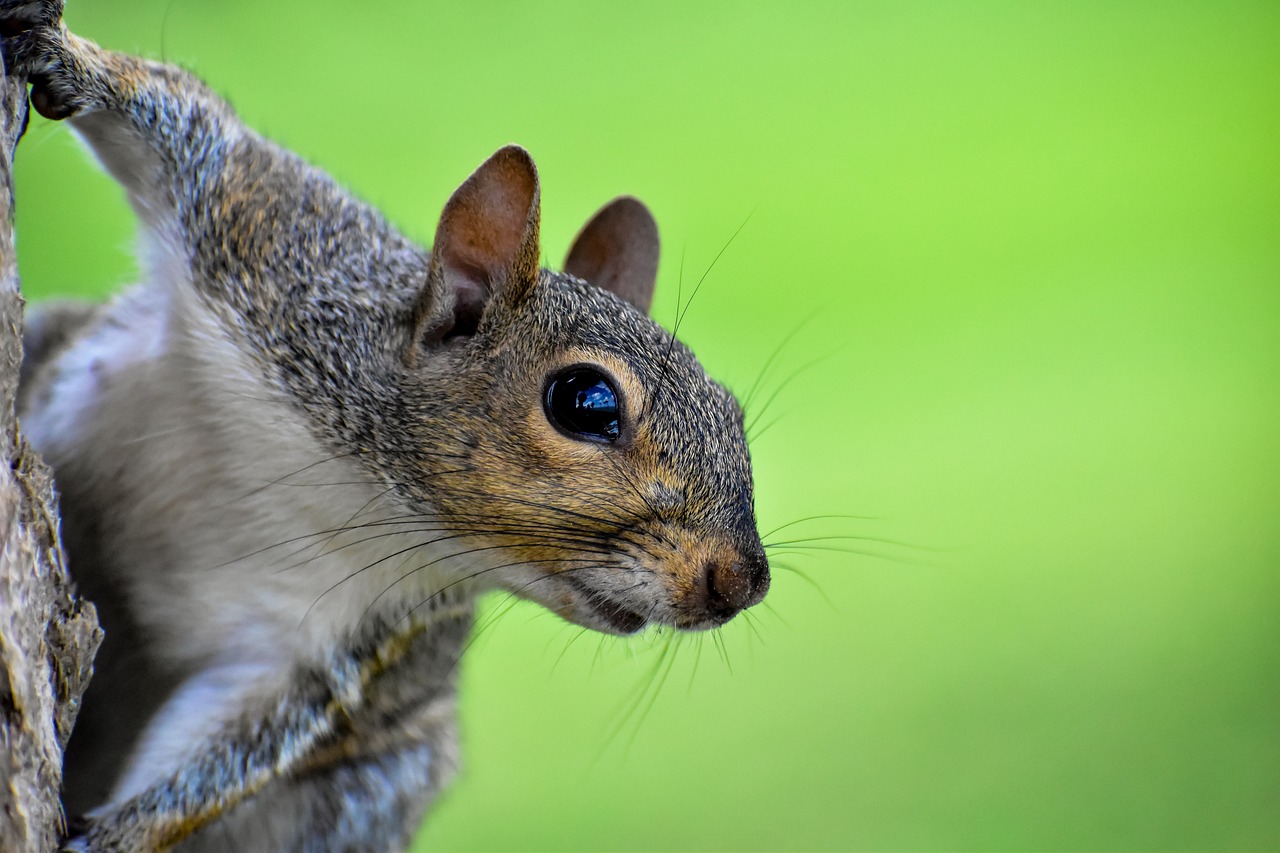
I have sassy squirrels in my neighborhood. The past few days I’ve had to bring my border collie, Davey, inside the house in the morning because he can’t stop barking at the tiny creatures.

The homes in my block were built in the late 1940s, back in the days when trash trucks picked up your cans from a network of back alleys. These narrow roads provide the route for our electric, phone, and cable since they were put in before the days of buried lines.  

Squirrels love to use electric lines as their personal bridges between the trees in our backyards. Davey notices everything, including the furry animals passing over his head. They cause him to bark like a vicious wolf since he believes the alley and its airspace are part of our property.

This makes the squirrels bolder, as they sit directly above Davey’s head, staring at him and twitching their tails. How they manage to balance on the wire is beyond my understanding. It’s fun to watch Davey and the squirrels interact, except for the part where he’s waking up the whole neighborhood.

Davey always barks and jumps at the squirrels, even though he never can reach them. He never gets discouraged. He never gives up. Even if he never gets his teeth on one fluffy tail, he will always try.

Seeking to get my first book traditionally published is like that. Those book deals sit up on the electric wire, taunting me with their advances, book tours, and international rights. There I am, on the ground, barking to get an agent or editor’s attention. Every day I get up, check my email for requests for pages. After sending pages, I stare at my phone, waiting for the Call.

Every day is the same. The squirrels tease Davey. He barks like a wild dog. My email inbox fills with rejections. The Call never comes.

It would be easy to get discouraged. No one would blame me for giving up. But I’m inspired by my border collie’s dedication to his job. He knows what he’s born to do.  

Even if I never get my teeth on a book deal, I will always try.

Expecting the Write Things

As I hang on the edge of another writing retreat, I consider my expectations. This week, I will attend the SCBWI Writing Retreat in the San Bernardino Mountains, near Lake Arrowhead. Last year was our first in-person event since the pandemic. Last year was all about being in the presence of other writers, allowing their creative energy to infuse with mine.

I wonder what will happen this year.

Since the retreat is built around critique groups and writing time, I know I’ll spend a lot of time working on my book. My story has already been shaped by my other critique group, so I will need to concentrate on final revisions.

After attending this retreat for many years, I know the true magic happens when you’re eating breakfast and talking to the agent or editor at your table. Insight flashes between writers when we’re toasting at happy hour. The opportunity to have a fifteen-minute coaching session with a publishing professional is priceless.

In the first years I attended, I would drive up to mountains holding my breath. This would be my big break. I would meet the agent of my dreams. She or he would email me a contract when I got home. My writing career would be officially launched.

But I didn’t know what I didn’t know. My finished book projects needed more than properly placed commas. My plots needed more emotional depth. My endings needed to be more satisfying.

Years later, I will drive up the mountain with more realistic expectations. But my heart will still beat wildly when I arrive at the cabins. I will warmly greet our guest agents and editors. I will enjoy the company of my writer friends. I will take a deep breath of cool, pine-scented air.

Anything could happen.

Books are better

As I scroll through my streaming channels, looking for a TV series I haven’t watched twice already, I realize a great truth.

Books are better.

Books are better because on my Kindle, there is an endless supply of new stories. This is helpful when you finish a book at 3:00 am.

Books are better because I can skip over the boring parts. Or linger over the marvelously crafted ones.

Books are better because if I don’t like where the author is taking me, I can close the book.

Books are better because the way the characters look in my head is way more accurate than the actors chosen for the TV show.

Books are better because sometimes you can actually meet the author at a book signing.

Books are better because you get to know the characters in greater depth, including things they are too polite to say out loud.

Books are better because even if you are sitting in a hospital waiting room, you can escape to the Shire and have cake at Bilbo’s birthday party.

Books are more reliable to convey the author’s message. Even though there have been some great adaptations of books into TV shows and movies, most readers agree something is lost along the way.

And one last reason—reading great books inspires me to write my own.

That’s why if I’m not writing at my laptop, you’ll find me reading a book.

season to pause

I’ve been living in a parallel universe recently. Isolated from my husband and friends, I live in a shadow world. My days fill with phone calls, long waits at the pharmacy, and housekeeping.

My mom’s in the hospital recovering from heart valve surgery. It’s been a four month journey for her to get here, due to the holidays and insurance.

Since my husband and I live an hour away, we go back and forth. There is much prayer, much hope, much pain. Everything is urgent. Every conversation might be the last.

I find it impossible to make plans for the future. Too many plans have been swept away.

Yet there are bowls of ice cream, smiles, and laughter. In this universe, there is plenty of time to talk and share memories. Learn family secrets I didn’t want to know. There is a season for everything under Heaven.

This is my season to pause.

The Itsy-Bitsy Spider

Rain has been pounding on my roof all night. And most of yesterday. Today it’s going to be the same. I’m stuck inside my house, longing to stretch my legs and feel sunshine on my face.  

Storm after storm after storm. No chance to catch my breath.

I’m not the only one who’s gone through storms over this holiday season. Each person has their own storms to face. To someone else, my problems would only be annoyances. For me, as each problem piles on top of the next, it becomes mind-numbing.

Incessant rain. Grey, swollen skies that hold the day captive.

My creativity is held captive with the California sunshine. My hands hover over my laptop keyboard yet nothing is typed on my screen. Maybe the query rejections were right. Maybe writing a novel is too hard.

Maybe my story is not important.

My responsibilities come tumbling out like junk out of a woman’s purse. Days fill up with important tasks. People I care about need me. When things break, it takes time and money to fix them.

Cars drive by my house, splashing up water from the gutters.

An email arrives. A short story I wrote last year was shortlisted for a fiction contest.

Silence catches my attention. The rain has stopped.

Maybe I can write a story that is important.

My hands fly over the keyboard. Characters, storylines, wonderful places flood my mind. When my stolen moments pass, the story takes hold in my mind and rests there, waiting for my next writing time.

Out comes the sun and dries up all the rain.

And the itsy-bitsy spider climbs up the spout again.

The dark season of waiting

It has been a great year for my writing. Four of my short stories were chosen for anthologies, both digital and printed forms. I now have an Amazon author page. Even though it was modest, I received my first advance paid for my writing. You would think this would create a happy bubble of encouragement.

But it’s also been a year of rejection for my novels.

For an author seeking traditional publishing, the first fortified gate I must scale is finding a literary agent. The querying process is a torturous process that offers little feedback except “you’re not what we’re looking for.”

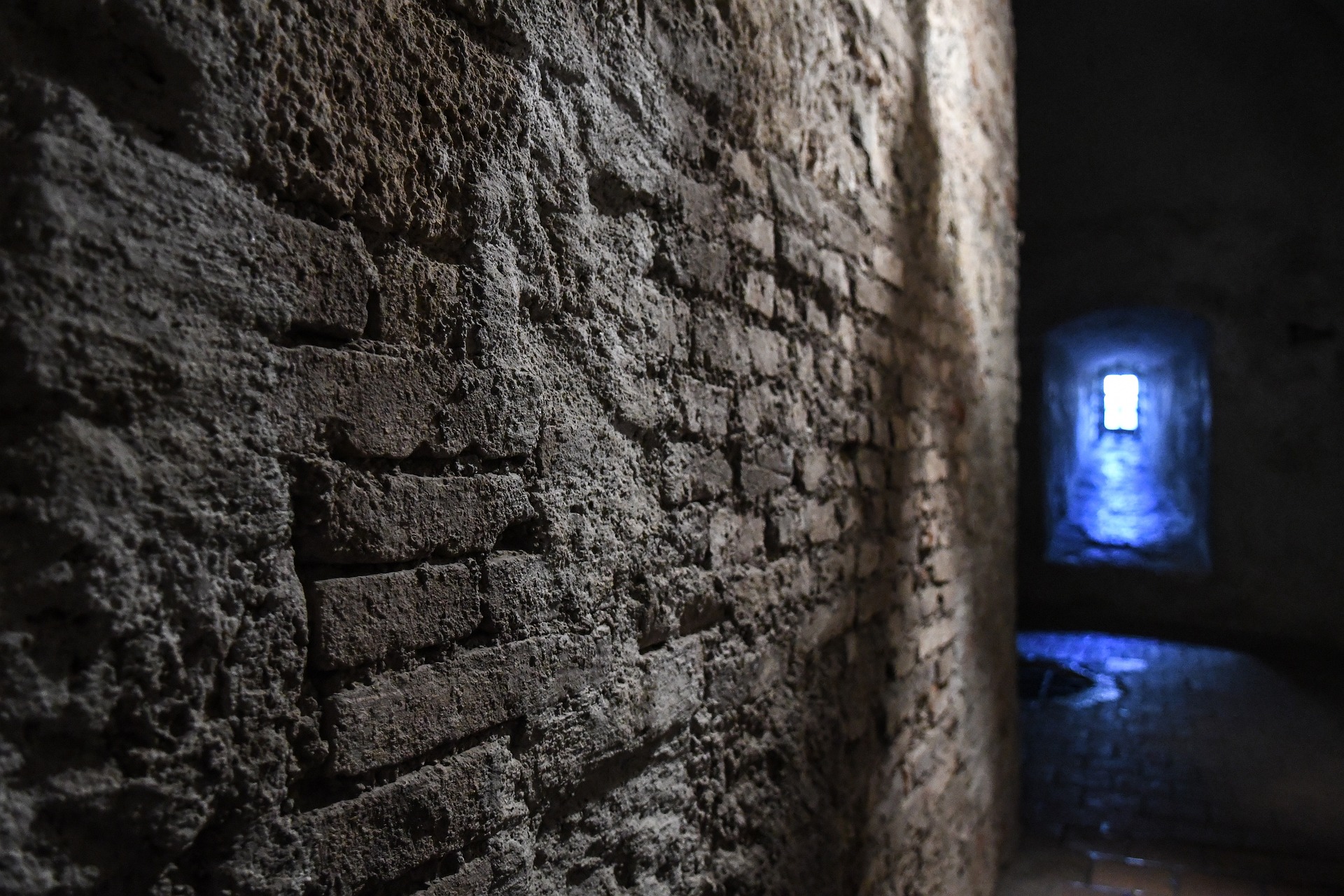
I could self-publish, but it can be an expensive and grueling process for a mere peasant like myself. Some small publishers take queries from unagented authors, but again I find myself in the dungeon of waiting. As time passes like dripping water down the stone walls, the lack of answer becomes the answer.

There is a bright spot in the dark and damp. My critique groups. While there are readers eager to embrace your character’s struggle, authors will keep on writing.

Even in the dark, even when all seems lost.

Authors create stories and readers give them life.

Why Rejection Makes You a Better Writer

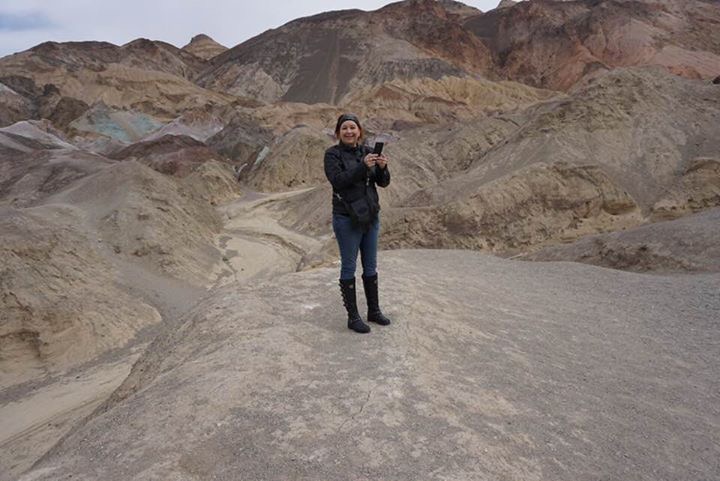
Death ValleyJodi

After a few weeks querying agents for my YA book, I needed to take a break and consider my progress. One agent, who I met and worked with in a critique group, sent me a personal rejection the same day I emailed her. Another agent, who loved the book at a retreat, sent me back her regrets. In prior years, with prior books, I would get no rejection letter at all. Only silence. Compared to no response, my recent rejections have led me to be more optimistic.

So I decided to make a list of how agent (and magazine editor) rejections have improved my writing:

  1. Book rejections make you realize that you need feedback on your writing before you send it out to agents.

 When I began my writer’s journey, I finished my rough draft and thought I had a masterpiece. I read a little of it to my friends, but I was sure that it was finished. Now I enlist the aid of critique groups, professional editors (not as expensive as you would think), writing retreats, and college extension classes before I send anything out.

  1. Agents have their own agendas.

They actually have to sell your book to publishers, who are even more jaded than they are. Agents have categories of books that they represent. If they already have enough magic books, they won’t be interested in your fantasy project. The lesson here is keep querying. You just haven’t met your agent yet.

  1. Being rejected by agents can lead to personal growth in your writing.

After getting several rejections on a book, I looked at all the comments that accompanied the passes. Agents are busy people, and if they take the time to tell me what they didn’t like about my work, I need to pay attention. This has led me to take writing classes at UCLA Extension, which I highly recommend. I also began submitting short stories to magazines so I could beef up my publishing credits.

  1. I appreciate all the hard work that goes into the books I read.

I read all the acknowledgments at the back of the novels I read, and count the number of people the author thanks. Have I exposed my WIP to that many people? Also, I was encouraged by an writer that had the courage to admit she had 17 novels rejected before she was published. Therefore, I need to stop my whining.

  1. Rejection makes me recommit to writing.

As the years pass, it would be easy to turn off the laptop and do something else with tangible results, like knitting. Writing is easy, revision is hard, traditional publishing seems nearly impossible. However, I’ve overcome many impossibilities in my life, and I’m not ready to die to my dreams yet. Rejection shows me that I haven’t reached that mountain peak— I’m still in the foothills. I need to keep walking.

  1. Rejection initiates me into the writing community.

All writers experience rejection at some time, and they can be a great source of encouragement to other writers. Joining Twitter and following other writers allows me to share in their joy and pain along the publishing path. Thanks, guys.


As you can see, rejection is not as negative as the gut punch you feel at first when you open that agent’s email reply. You get mad, cry a little, eat chocolate, drink a large glass of wine, and get back to work. And hopefully, after a lot more work, someday we’ll be sitting by the pool reading each other’s novels instead of this blog.

Changes Fall

Autumn


Today when the piano alarm on my phone crescendoed until I obediently rolled out of bed, something felt different. Through my slitted eyes, dawn’s light through our open windows remained black. Birds chirping outside startled me, and I realized my husband had turned off our room air conditioner sometime during the night. A strange impulse coursed through my body, traveling through me like a crowd doing the wave at a baseball stadium. My throat scratched when I asked my husband if he wanted a banana packed in his lunch, so I took a drink from the water bottle on my night stand. The water was still cold!

Then I realized the source of strangeness—the air inside my room was cool. For the first time in three months, I wanted to put on a sweater. Usually I would wake up soaked with sweat, barely rested due to constant demand for cold water during the night. My body had no idea how to adjust to more moderate temperatures. In dim light, I searched through my closet, digging deep before feeling the zipper of my hoodie. Gratefully, I pulled it on and zipped it up to my neck. My shaking ceased.

The aroma of coffee dripping into the pot in the kitchen combined with crisp coolness and whispered promises. The summer sluggishness I had strained beneath disappeared, and my steps became light. Ambition kindled in the cool morning. Suddenly hope swelled in my chest, and I began to believe again that my life would change. That my fourth graders this year would love to write. That my book might be picked up by an agent. That I would find the perfect writing critique group. That I would lose those last five pounds.

Officially fall begins on September 22nd, but in my bedroom, on this day, the changes of fall began.

Blog at WordPress.com.

Up ↑