The writing retreat

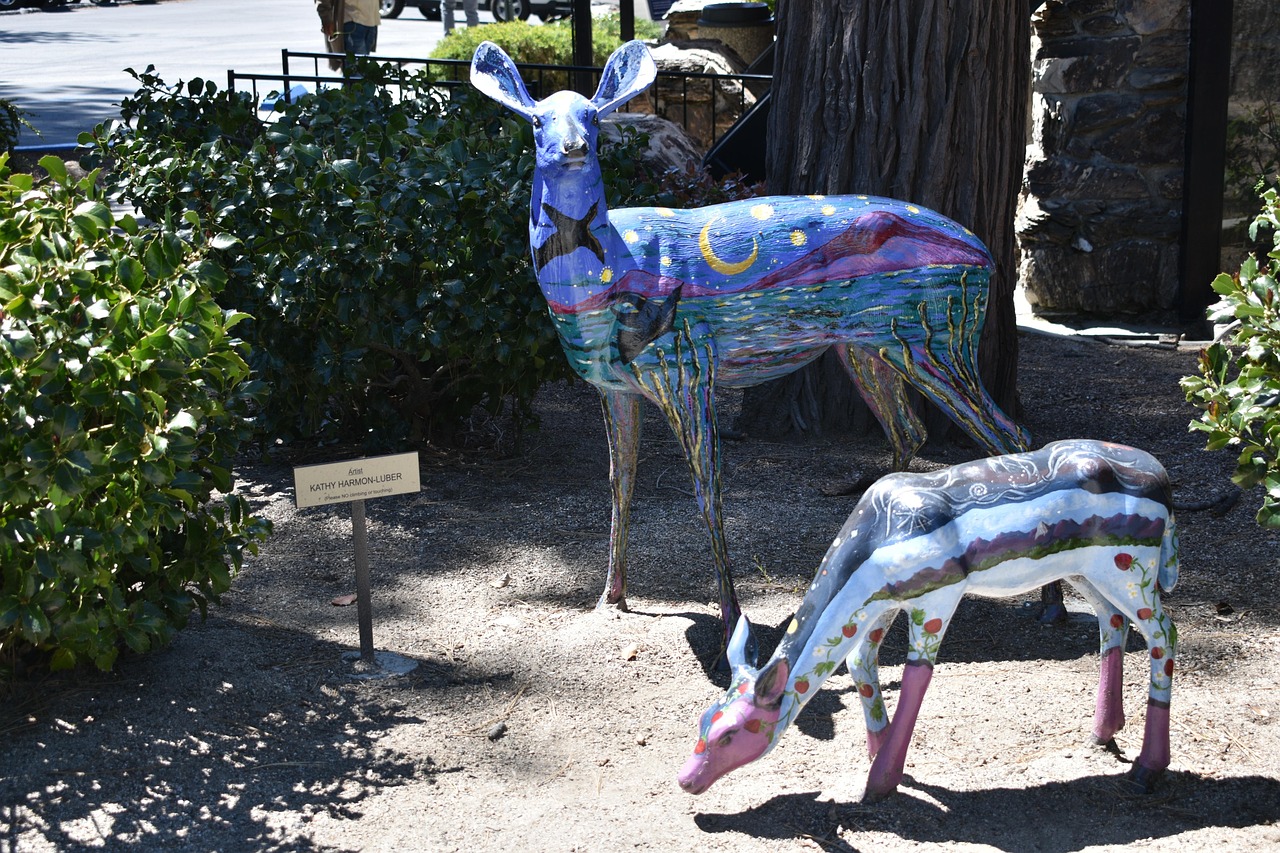
At the beginning of May, I attended a writing retreat up in the mountains of Southern California. Tahquitz Pines in Idyllwild, once a youth camp, has been refashioned into a wedding/resort destination. Its cabins, bunkhouses, and lodges still whisper echoes of Christian songs and children’s laughter.

The writing retreat is put on by the Southern California chapter of the Society of Children’s Book Writers and Illustrators. A small group of authors who write middle grade and young adult fiction work in critique groups to improve their stories. Two literary agents and editors give their insights as part of the groups. In addition, attendees get one on one time with one of the industry professionals. Written critiques were purchased separately and given to the writers before the retreat. Time is set aside during the three day retreat for revision and writing time.

All of this sounds like a lot of work. But there were plenty of social activities. There were team building exercises, yoga, hikes, a pizza party by the fire pits, and a game night. Some writers went into the quaint town of Idyllwild to get stronger coffee or visit the bakery.

My favorite part was hanging out with other writers. Most of them don’t live near me, and the only time I see them in person is when we have our fall conference and this retreat. Being a writer means spending time in solitude and dealing with rejection. Sharing my stories with other writers encourages me to work harder. Spending time with other writers reminds me that we are all in this together. We can celebrate our writer friends’ victories and commiserate about the slow grinding machine of publishing.

When I come down from the mountains, my vision for my writing is clearer. Revising my stories seems less daunting. My words flow like Strawberry Creek, the rushing stream that runs through Idyllwild. I am encouraged and refreshed, ready to press on.

If you are a writer, I hope you take the opportunity to go to a writing retreat. In a world full of rejection, your writing family can be the hug you desperately need.

The next thing

Ever since two of my books went on submission to publishers, I have felt like I was holding my breath. I knew nothing would probably happen right away. But I still checked my email five times a day. After the first full manuscript requests, I could barely think.

Weeks passed. Months passed. When I checked the Google sheet my agent set up, I could see some rejections with comments. More submissions went out. Those full manuscripts were still out there.

A year passed. Everyone who’s been through this tells you that you should be working on your next thing. Forget about submissions. You can’t control editors and acquisition meetings. Focus on your writing. I completed a new book and took it to my critique group.

In the back of my mind, I kept telling myself I needed to keep my writing time open. When my book was sold, there would be new rounds of revisions. I would be too busy to write anything new. With my mind reeling with possibilities for my debut book, it was hard to generate any new ideas.

More months passed. Maybe my books out on submission would end up dead. I needed to work on the next thing. Before I signed with an agent, I had more patience with the traditional publishing process. It took me six books to land my agent. Somehow, I had mistakenly thought that mean my publishing dream was nearing reality.

Another month passed. Finally, I released my illusion of control over my books. New ideas are flowing. When I lose myself in my newest project, I find myself again.

A creator must create. A writer must write. And no matter what happens, I move on to the next thing.

When rejection becomes inspiration

When I read the comments from an editor I respected and met during a writing retreat, I should have been discouraged. She agreed to read the full manuscript. I had high hopes. But when I opened the spreadsheet from my agent with all our submissions listed, the line with that editor was highlighted in red.

Rejected. But she gave lots of great feedback that threw light on misgivings I’d had about the story. And she was kind, acknowledging my zeal for the subject matter and my personal connection to the plot.

Suddenly, I was energized. I started back at the beginning of the story and cut out the first chapter. I smoothed out awkward dialogue and shortened description. I went deeper into my MC’s thoughts and emotions.

It’s going to take a while for me to get through the whole book, but I’m committed. Even though this is my fifth time editing it, the story is worth it. It was worth a rejection with an explanation, something I rarely get these days.

Creating a book is a collaborative effort. A rejection can sometimes be the catalyst I need.

On submission

When your precious children, birthed after years of tears and struggle {otherwise known as your unpublished manuscripts), are out on submission, it feels like you’re in a nightmare. You know the one that cycles over and over again. Every time you reach for the exit door, it opens into darkness. Cruel laughter taunts you. Who do you think you are? You can’t even write a clever Instagram caption.

For years, I knocked on agents’ Querytracker doors, attended writers conferences, and scrolled through MSWL. If I had a literary agent, they would champion my books to editors and escort me through the publishing process. Within months, I would be able to walk into a bookstore and secretly sign copies of my book on their shelf. Kids would cheer me at my school assemblies when I talked about the joys of creating stories.

“I only need one yes.”

That was my whispered prayer when rejection after rejection hit my inbox. Then five books later, when I had almost given up, I got a phone call. And a Microsoft Teams video meeting.

Tia became my agent. After a few rounds of cleanup edits, we started the waiting game again.

“We only need one yes.”

First we sent out my MG novel. A couple of editors wanted to read it. More rejections. The MG market was soft. Then Tia and I revised my YA novel and sent it out. A few editors wanted to read it. More rejections.

“We only need one yes.” But the waiting is a nightmare. Even though I’m working on new projects, there is a certain space in the back of my mind where I hope for the yes. And worry about the no.

Maybe you’re like me, trying to launch your writing career. No matter where you are on your journey, keep pushing forward.

You only need one yes.

The quiet creative zone or what happens after you sign with an agent

For the last eight years, one of my writing goals has been to find a literary agent. Last October, in a surreal moment on my birthday, I got “the call.” Actually, in our post COVID world, it was a request for a Microsoft Teams virtual meeting.

It was really happening.

At the meeting, we talked about ourselves, our dreams, my book. Then Tia Mele made me an offer of representation. Because I still had my book out with other agents, I told her I’d get back to her after I notified them.

After I’d received prompt responses from the other agents, I made my decision. In October 2023, I became an agented author.

I went through two rounds of editing, and then Tia created a Google spreadsheet with the publishers she was sending my book to, similar to my querying spreadsheet. But my querying was done.

Now it was my agent’s turn.

After spending years researching agents, revising my query, synopsis, and pitch, it was someone else’s responsibility.

Now I was free to focus on my writing. At first, it felt weird. Like I should be doing something. In the back of my mind, I realize it’s the calm before the editing storm. But it feels good to take a breath and have more creative time.

If you’re still in the querying trenches, take heart. With a lot of hard work and a little courage, you will find the right person to champion your work.

Message in a bottle

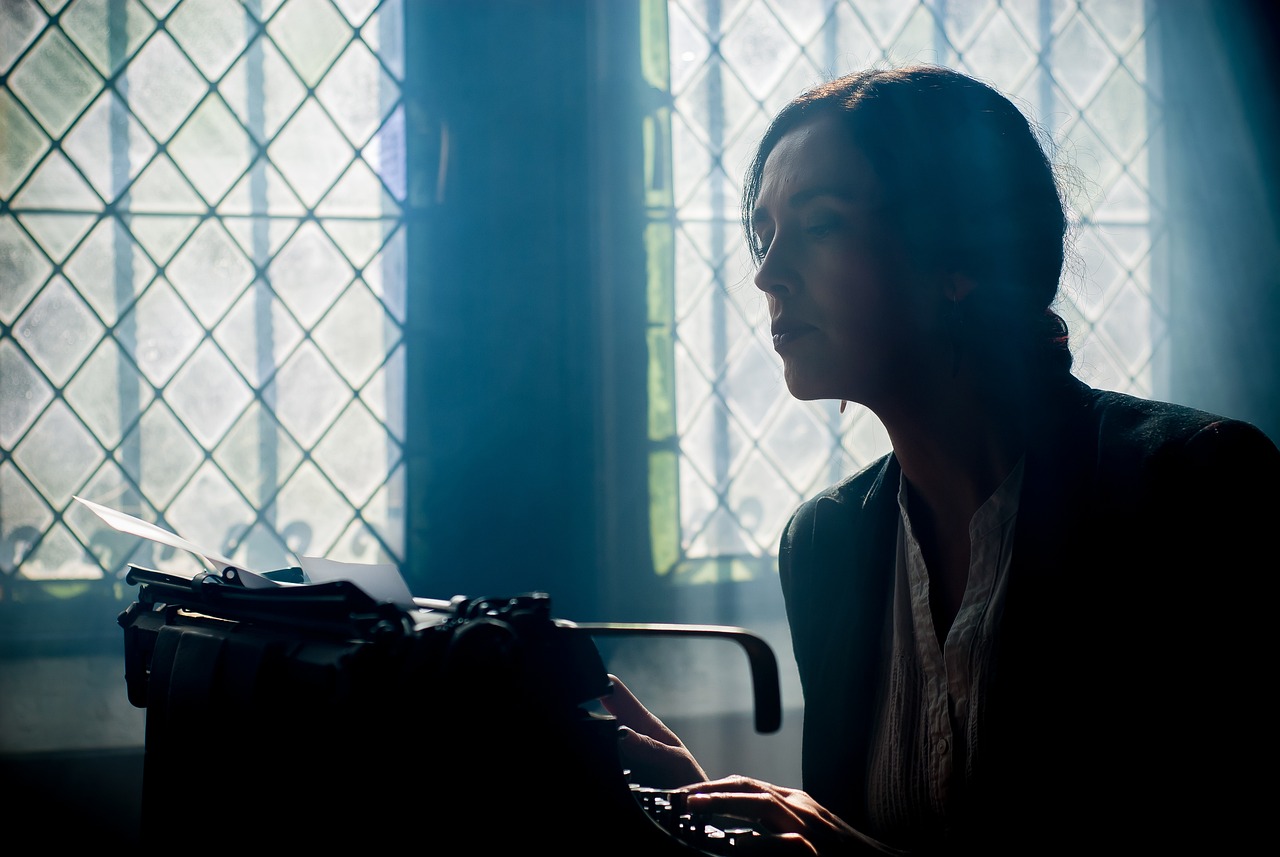
Waiting for a query reply is like being stranded on a desert island after you’ve sent out messages in bottles. As the waves continue to crash onto the shore, you squint against the blazing sun to scan the horizon. Hoping to see the glint of a returning bottle.

Or you check your email box. Twenty times a day.

Experienced writers advise you to start a new project. Ignore the fact that somewhere, someone is looking at your synopsis and deciding whether you’ll fit into their client list. If they even read it. Waves of anxiety crash against your overconfidence. Maybe your book wasn’t ready. Maybe your critique group doesn’t want to hurt your feelings.

Maybe your voice doesn’t matter.

This world doesn’t seem friendly anymore. Social media isn’t fun when every comment you make could be used against you. All your writer friends are being published. Everyone in your family is being published, even if they’re not writers.

Even a message asking for revisions would be a victory.

All you can do is on the beach, watching the waves crash against your dreams. Then you notice a seagull creeping up on the sand. It stares at the sandwich in your hand, cocking its head back and forth. The bird hops a little closer, reminding you of that boy in sixth-grade, the one who always wolfed down the hated liverwurst sandwich Mom packed for you.

Ideas flood your mind. Jumping up, you brush off sand and head to your laptop. As you furiously type away, you can still barely hear the waves in the background. You’ll check your email box later, but for now, the magic still works.

Then a bottle washes up on the sand.

The Squirrel on the Wire

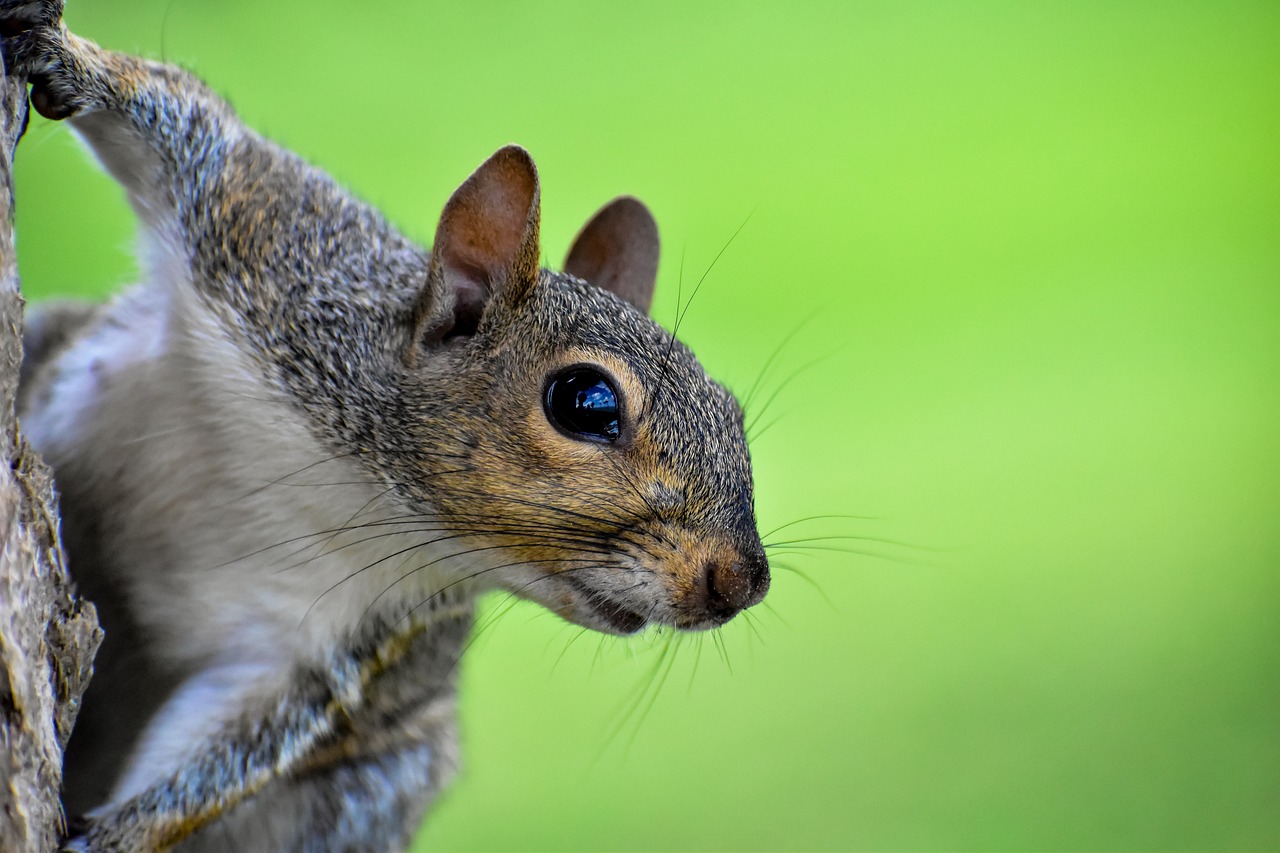
I have sassy squirrels in my neighborhood. The past few days I’ve had to bring my border collie, Davey, inside the house in the morning because he can’t stop barking at the tiny creatures.

The homes in my block were built in the late 1940s, back in the days when trash trucks picked up your cans from a network of back alleys. These narrow roads provide the route for our electric, phone, and cable since they were put in before the days of buried lines.  

Squirrels love to use electric lines as their personal bridges between the trees in our backyards. Davey notices everything, including the furry animals passing over his head. They cause him to bark like a vicious wolf since he believes the alley and its airspace are part of our property.

This makes the squirrels bolder, as they sit directly above Davey’s head, staring at him and twitching their tails. How they manage to balance on the wire is beyond my understanding. It’s fun to watch Davey and the squirrels interact, except for the part where he’s waking up the whole neighborhood.

Davey always barks and jumps at the squirrels, even though he never can reach them. He never gets discouraged. He never gives up. Even if he never gets his teeth on one fluffy tail, he will always try.

Seeking to get my first book traditionally published is like that. Those book deals sit up on the electric wire, taunting me with their advances, book tours, and international rights. There I am, on the ground, barking to get an agent or editor’s attention. Every day I get up, check my email for requests for pages. After sending pages, I stare at my phone, waiting for the Call.

Every day is the same. The squirrels tease Davey. He barks like a wild dog. My email inbox fills with rejections. The Call never comes.

It would be easy to get discouraged. No one would blame me for giving up. But I’m inspired by my border collie’s dedication to his job. He knows what he’s born to do.  

Even if I never get my teeth on a book deal, I will always try.

Expecting the Write Things

As I hang on the edge of another writing retreat, I consider my expectations. This week, I will attend the SCBWI Writing Retreat in the San Bernardino Mountains, near Lake Arrowhead. Last year was our first in-person event since the pandemic. Last year was all about being in the presence of other writers, allowing their creative energy to infuse with mine.

I wonder what will happen this year.

Since the retreat is built around critique groups and writing time, I know I’ll spend a lot of time working on my book. My story has already been shaped by my other critique group, so I will need to concentrate on final revisions.

After attending this retreat for many years, I know the true magic happens when you’re eating breakfast and talking to the agent or editor at your table. Insight flashes between writers when we’re toasting at happy hour. The opportunity to have a fifteen-minute coaching session with a publishing professional is priceless.

In the first years I attended, I would drive up to mountains holding my breath. This would be my big break. I would meet the agent of my dreams. She or he would email me a contract when I got home. My writing career would be officially launched.

But I didn’t know what I didn’t know. My finished book projects needed more than properly placed commas. My plots needed more emotional depth. My endings needed to be more satisfying.

Years later, I will drive up the mountain with more realistic expectations. But my heart will still beat wildly when I arrive at the cabins. I will warmly greet our guest agents and editors. I will enjoy the company of my writer friends. I will take a deep breath of cool, pine-scented air.

Anything could happen.

While I’m busy blowing up the end of my novel

Have you ever decided to become an expert at something, only to find out the more you spend time doing it, the less you actually know about it?

In my earlier years, I was a visual artist. For most of my childhood, I expressed ideas through drawing and painting. My first degree was a BFA in Fine Arts. But after college, real life intruded, and I had to make money. My creativity was expressed in clothing displays and sale setups. I continued to draw and create intaglio prints at the local community college.

Then came motherhood. My creativity emerged in birthday cakes and scavenger hunt parties. My creative genes were passed down to my youngest, who although she drew and painted, she preferred photography and video.

When the retail industry choked after 9/11, I went back to school to become an elementary school teacher. In my classroom, my creativity generated bulletin boards and diagrams of the water cycle. When I took on the after school musical theater program, I created backdrops and sets.

After my husband suddenly died, writing became my comfort. I could write about my characters’ struggles and pain easier than my own. Although I’d always written short stories, I had my heart set on novels.

How hard could it be?

Years later when I retired, I imagined I would crank out novels every year to make up for all those earlier years with no time for writing. My short stories appeared in anthologies. I got my first writing advance ($15).

After I finished three novels, I began to send out query letters and sample chapters. My heart was set on traditional publishing, so I knew I needed a literary agent. As the form rejections rolled in, I realized I didn’t know as much about writing as I thought I did. It wasn’t just about having a great story idea. I was responsible for creating character arcs for all my major players, as well as the villain. Novels had to be divided into acts and move at a certain pace. Forget the glorious description of the setting. You needed to blow things up.

 How could I get better?

I took classes. I attended writing conferences. I hired editors. But the most helpful step was joining a critique group. It would take a long time to go through my novel in a critique group, but it was well worth it. After three years, we finally reached the ending of my novel. My faithful critique group tore it to shreds. They had permission to do so, as they had lived with my story for a long time.

 Who knew endings were so hard? I made some corrections and resubmitted to my group. Still it wasn’t enough. Or rather it was too much. Apparently, I had another entire novel embedded in it.

I can’t help it if I keep coming up with new great ideas.

After much soul-searching, I now sit in front of my laptop, cutting chapters and characters, trying to salvage my novel. I’ve learned a lot. My next novel will be so much better.

 As of this date, I haven’t deleted this story yet. The revision process may be painful, but it is a good teacher. You can read all you can about how to write, but in the end, you have to go through the process yourself.

And blowing up the ending of your book is a great way to learn.

The dark season of waiting

It has been a great year for my writing. Four of my short stories were chosen for anthologies, both digital and printed forms. I now have an Amazon author page. Even though it was modest, I received my first advance paid for my writing. You would think this would create a happy bubble of encouragement.

But it’s also been a year of rejection for my novels.

For an author seeking traditional publishing, the first fortified gate I must scale is finding a literary agent. The querying process is a torturous process that offers little feedback except “you’re not what we’re looking for.”

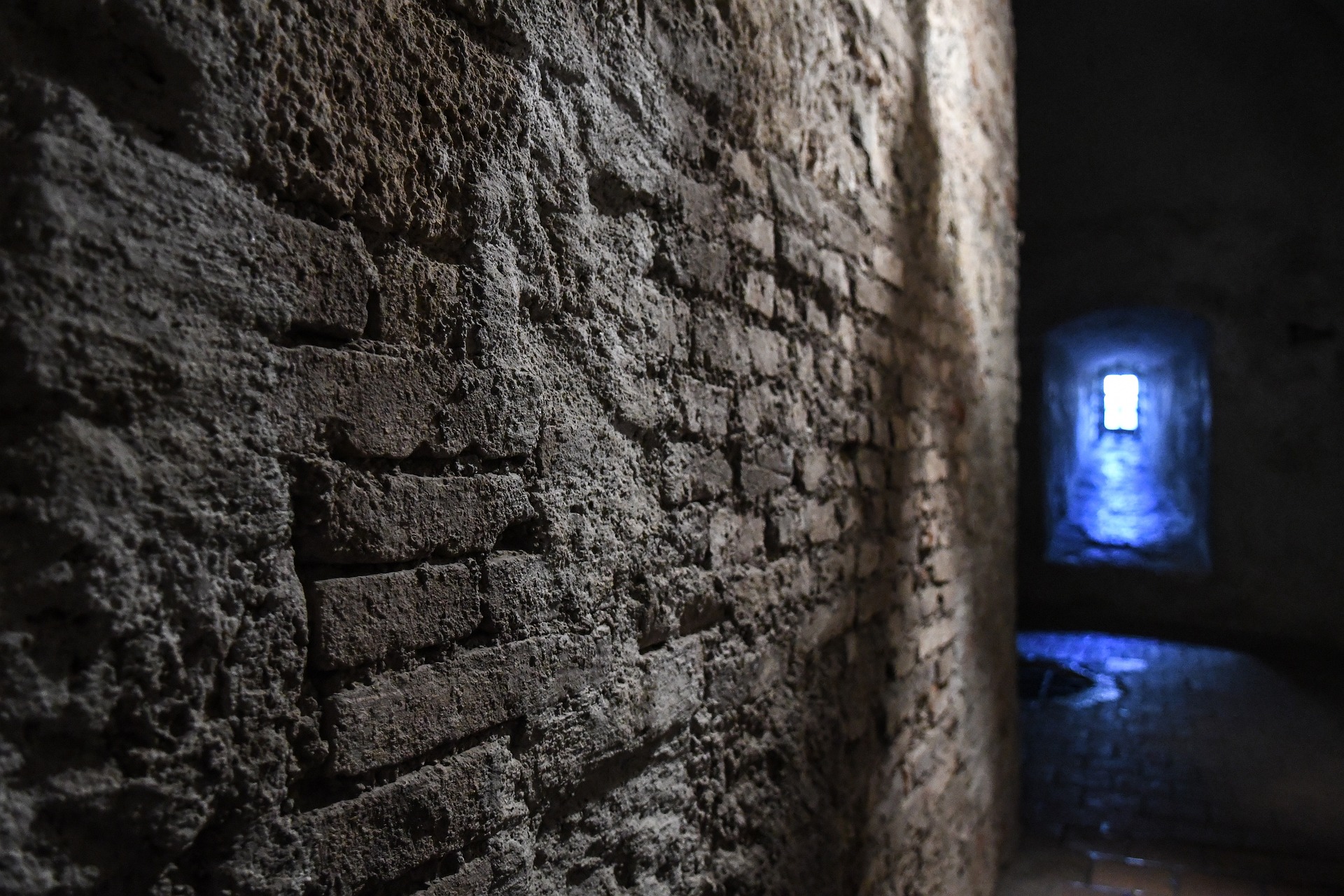
I could self-publish, but it can be an expensive and grueling process for a mere peasant like myself. Some small publishers take queries from unagented authors, but again I find myself in the dungeon of waiting. As time passes like dripping water down the stone walls, the lack of answer becomes the answer.

There is a bright spot in the dark and damp. My critique groups. While there are readers eager to embrace your character’s struggle, authors will keep on writing.

Even in the dark, even when all seems lost.

Authors create stories and readers give them life.

Blog at WordPress.com.

Up ↑